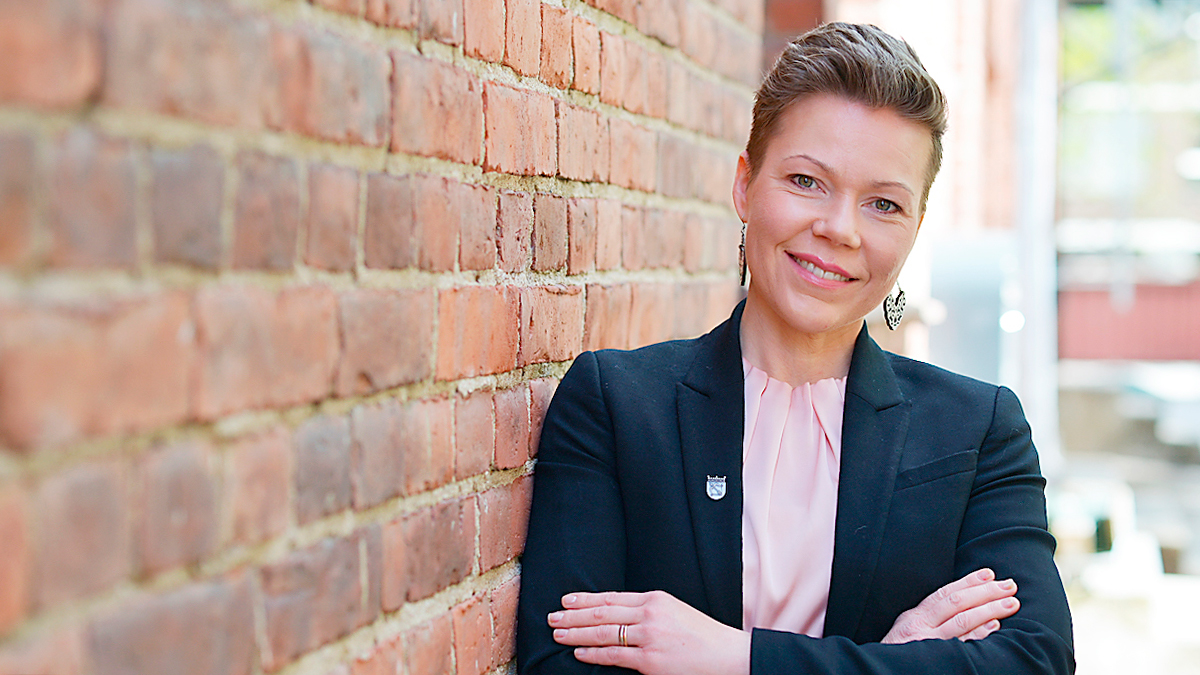
Our Regional Mayor Tytti Määttä from North Savo Regional Council had a very inspiring opening speech in Boosting Geographical Indications Seminar, 11 November 2025, Kuopio. Taste Savo -verkosto got permission to publish this speech on our website – so here you are – wise words from Tytti!
It is a true pleasure to have you here in our region. Kuopio is known for its hospitality and heart, and this year it is celebrating a very special milestone: its two hundred and fiftieth anniversary.
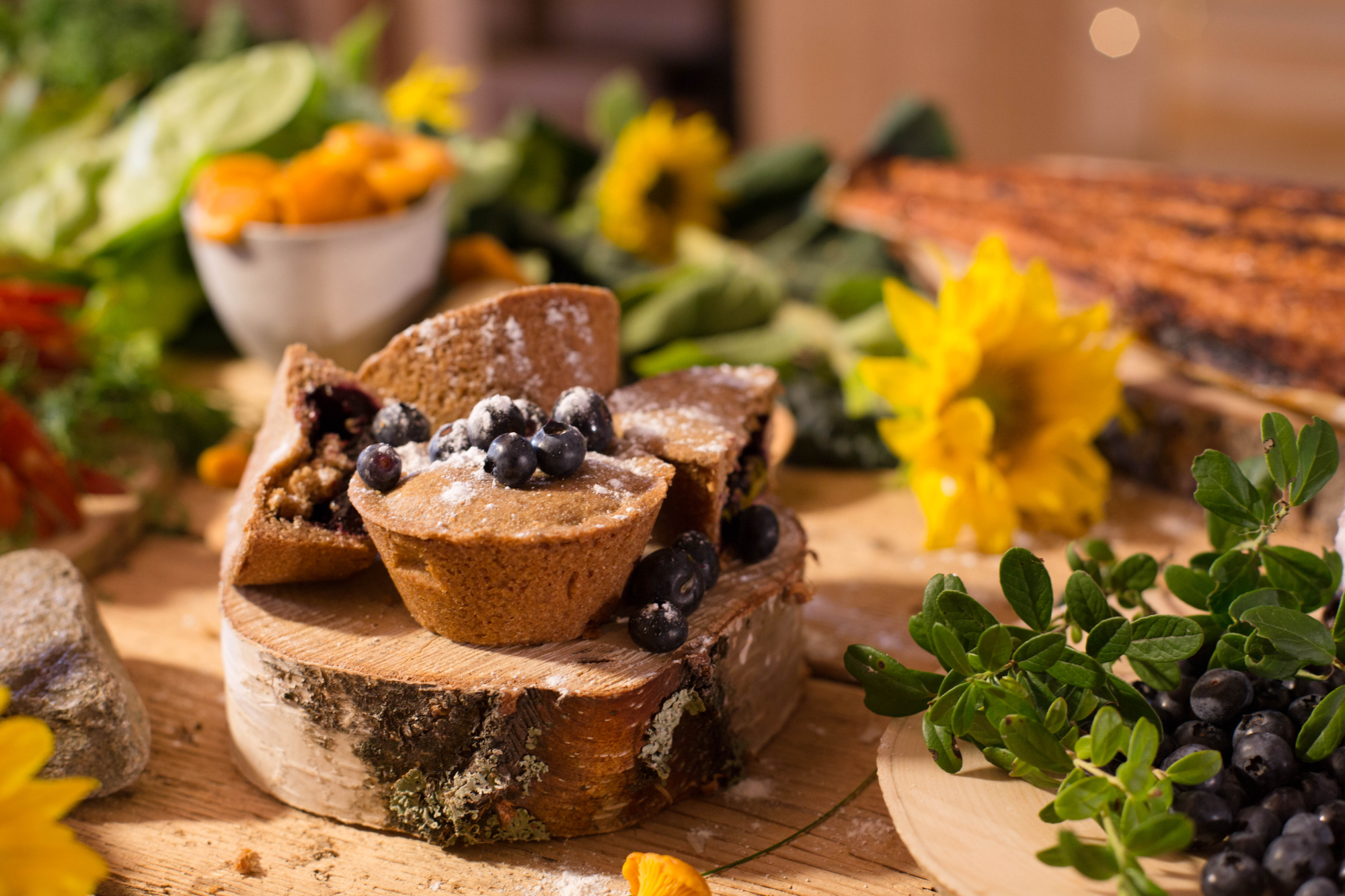
In honour of this anniversary, our local schools will serve a sweet piece of our regional identity next week — a small but meaningful dessert: mustikkakukkonen, or the Savonian blueberry pie. For us, it is not just dessert. It is a way of passing down traditions, tastes, and memories from one generation to the next. When our children in Kuopio’s schools enjoy that mustikkakukkonen next week, they will not only taste something delicious — they will taste a part of our cultural heritage.
When I think about where my own relationship with food began, I always return to my grandmother’s kitchen table. That’s where I learned that food is never just about eating — it is about being together. There I sat as a little girl, and my grandfather would offer me a slice of sausage — naturally, one of the most traditional Finnish foods!
In that same kitchen, my grandmother taught me not only how to bake pulla — sweet cardamom buns — but also how to prepare maitopotut (milk potatoes), veripalttu (blood pudding), various rössy dishes, and for festive occasions, juhannusjuustokeitto, juustoleipä, and baked milk pudding.
We had cattle on the farm, so milk-based dishes were a natural part of daily life — even through the 1980s and 1990s. Those meals were simple, but they carried love, care, and the rhythm of everyday life.
Later, when I moved to Kuhmo, I discovered new local traditions — such as avokalakukko and rönttönen. And I am proud to say that on the 10th of July this year -2008, rönttönen received the European Union’s Protected Geographical Indication (PGI) status.
It is a wonderful recognition for a product that combines local ingredients, patience, and skill — and yes, I can proudly confess, I have even participated in the World Championship of Rönttönen Crimping! It was serious business — and serious fun.
At some point, I also began to bake mustikkakukko myself — the blueberry pie that is so deeply rooted in Savonian homes. It is easy to make, rich in flavour, and filled with the scent of the forest. And this year, mustikkakukko has been especially important for us in North Savo. As part of our regional celebration, over one thousand pupils across North Savo have received ingredients from the Regional Council to bake their own mustikkakukko in school kitchens. Through this campaign, our aim has been simple but meaningful: to help young people experience food not only as nourishment, but as culture, creativity, and connection.
We also have more great news to celebrate: “Savolainen mustikkakukko” – the Savonian Blueberry Pie – has now been granted the EU’s Protected Geographical Indication (PGI). This recognition safeguards the name and honours its long-standing reputation as an authentic Savonian delicacy. Only products made in South and North Savo, with the traditional enclosed rye crust and wild blueberry filling, can bear the name “Savolainen mustikkakukko.”
The protection helps prevent misuse of the name, promotes genuine products, and strengthens regional identity and culinary heritage. It means that when someone eats a mustikkakukko made here in Savo, they know exactly where it comes from — and what kind of love and landscape are baked into it.
But today I also want to speak about something deeper — something that concerns all of Europe. School meals alone cannot preserve our shared food culture if families no longer eat together. According to the Suomi Syö 2023 study, Finns are eating alone more often than ever before. Sales of ready-made meals grew by more than 13 percent last year, and since 2020, they have increased by over 50 percent. Food, once a shared experience, has become a product measured by price and speed. Eating has turned into a solo performance — quick, efficient, and lonely. That is a pity, because food could be exactly what brings us back together — at home, in schools, and in communities.
In France and Italy, eating is a social act — it sustains culture, family, and the local economy.
In Finland, our school lunch system is already such a shared tradition — one that we must protect and cherish. But it cannot stand alone. We need to revive family meals and restore respect for food in everyday life.
Of course, slowing down and sitting down together is not always easy. Life is busy, and schedules are full. But small steps matter. Once a day, part of the family around the table. A few times a week, the whole family. Once a month, invite friends or relatives to join.
Recipes and table settings can come from a screen — but perhaps it’s worth turning that screen off for thirty minutes. What we get instead is more valuable: shared cooking, conversation, laughter — the feeling of belonging.
Maybe it’s time for us in the North to take a little inspiration from the South —
to set the table, slow down, and give food back the respect it deserves. Food is not just fuel — it’s part of life.
And as we discuss geographical indications today, let us remember that they don’t just protect names or recipes — they protect stories, places, and people. They keep alive the connection between landscape, tradition, and taste.
Geographical indications also strengthen sustainable local food economies. They are perfectly suited for food export through tourism, where authentic products tell their own story. When visitors taste Savolainen mustikkakukko here in Kuopio, they taste our forests, our fields, and our sense of home.
That is the power of local food — it connects people, protects identity, and shares culture far beyond borders. And that, I believe, is the best marketing Finland — and Europe — could ever have.
Tytti Määttä, Regional Myor, North Savo